CMM machining, or Coordinate Measuring Machine machining, plays a critical role in modern manufacturing by ensuring precision and quality in the production of complex components. This technology is widely used across industries such as aerospace, automotive, medical, and electronics to measure the physical geometrical characteristics of an object. By leveraging advanced software and hardware, CMMs provide manufacturers with the ability to verify dimensions, detect defects, and maintain stringent quality standards. This comprehensive guide explores the intricacies of CMM machining, its applications, technical specifications, and operational benefits, offering a deep dive into how it transforms manufacturing processes.
What is CMM Machining?
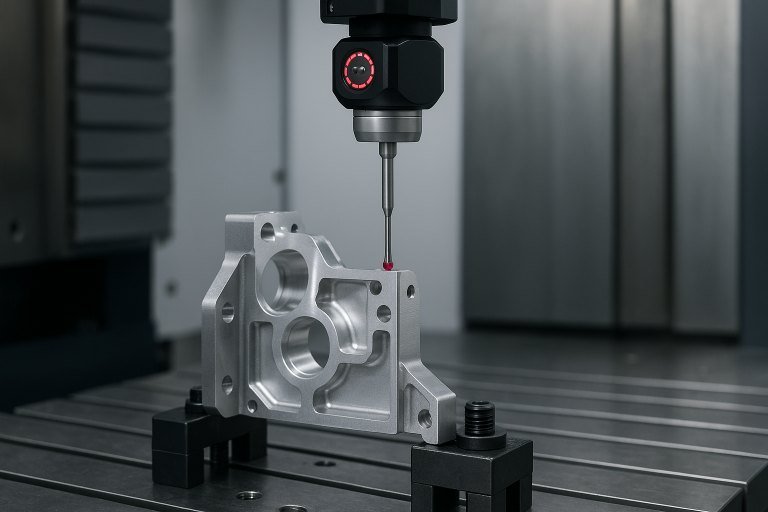
CMM machining refers to the process of using a Coordinate Measuring Machine to measure the dimensions and geometrical features of a workpiece with high precision. A CMM operates by using a probe to detect discrete points on the surface of an object, which are then analyzed to create a detailed 3D map of the part. This map is compared against the original design specifications to ensure compliance with tolerances and quality requirements. CMMs can be manual, semi-automated, or fully automated, depending on the complexity of the tasks and the production environment.
The primary components of a CMM include the machine structure (often made of granite or steel for stability), the probing system (contact or non-contact), motion control systems, and software for data analysis. These machines are capable of measuring dimensions in the micrometer range, making them indispensable for industries where precision is non-negotiable. For instance, a typical CMM can achieve measurement accuracy within ±0.001 mm, depending on the model and calibration standards.
Types of CMM Machines Used in Machining
There are several types of CMMs used in machining, each designed for specific applications and environments. Understanding the differences between these types helps manufacturers choose the right equipment for their needs. Below are the primary categories:
- Bridge-Type CMM: The most common type, featuring a bridge structure that moves along the X, Y, and Z axes. It is ideal for measuring large parts and offers high accuracy, typically within ±0.002 mm for medium-sized components.
- Gantry-Type CMM: Designed for very large or heavy workpieces, such as those found in aerospace or shipbuilding. These machines have a measurement range often exceeding 2 meters in each axis.
- Horizontal Arm CMM: Suitable for measuring long, thin parts or assemblies. They are often used in automotive manufacturing for body-in-white inspections.
- Portable CMM: Lightweight and mobile, these devices are used for on-site measurements. They often feature articulated arms with a measurement accuracy of ±0.025 mm.
Each type of CMM comes with specific technical parameters, such as measurement volume, repeatability, and probe compatibility, which must be considered based on the application.
Key Applications of CMM Machining in Industry
CMM machining is utilized in various industries to ensure product quality and compliance with design specifications. Its ability to provide accurate dimensional data makes it a cornerstone of quality assurance. Some of the key applications include:
Aerospace Manufacturing: In aerospace, components such as turbine blades and engine parts require tolerances as tight as ±0.005 mm. CMMs are used to verify complex geometries and ensure that parts meet safety and performance standards.
Automotive Production: From engine blocks to transmission components, CMMs measure critical dimensions to ensure proper assembly and functionality. For example, a cylinder bore might need to be within ±0.010 mm of the specified diameter.
Medical Device Fabrication: Precision is paramount in the production of implants and surgical tools. CMMs help verify dimensions down to ±0.001 mm to ensure patient safety and device efficacy.
Electronics Industry: For small, intricate components like circuit board connectors, CMMs with non-contact probes are used to measure features without causing damage.
These applications highlight the versatility of CMM machining in maintaining high standards across diverse manufacturing sectors.
Technical Parameters and Specifications of CMM Machining
The performance of a CMM in machining depends on several technical parameters that define its capability and suitability for specific tasks. Below is a detailed overview of these parameters, presented in a structured format for clarity:
| Parameter | Description | Typical Range |
|---|---|---|
| Measurement Volume | The maximum size of the workpiece that can be measured (X, Y, Z axes). | 500 mm x 500 mm x 500 mm to 3000 mm x 2000 mm x 1500 mm |
| Accuracy | The deviation from the true value under specified conditions. | ±0.001 mm to ±0.025 mm |
| Repeatability | The ability to achieve the same result in repeated measurements. | ±0.0005 mm to ±0.010 mm |
| Probe Type | Contact (touch-trigger) or non-contact (laser, optical). | Varies by application |
| Software Compatibility | Software used for data analysis and reporting. | CAD integration, SPC tools |
These parameters are critical when selecting a CMM for machining tasks, as they directly impact measurement reliability and efficiency. Manufacturers must also consider environmental factors such as temperature stability (ideally 20°C ±1°C) and vibration control to maintain accuracy.
Benefits of Using CMM in Machining Processes
Implementing CMM machining offers numerous advantages that enhance manufacturing efficiency and product quality. These benefits are rooted in the technology’s precision and versatility, making it a valuable asset in production environments.
Enhanced Accuracy: With measurement capabilities down to the micrometer level, CMMs ensure that parts meet exact specifications, reducing the risk of defects and rework. For instance, a CMM can detect deviations as small as 0.002 mm, far surpassing manual inspection methods.
Time Efficiency: Automated CMMs can perform complex measurements in minutes, compared to hours or days for traditional methods. This speeds up quality control processes and reduces production downtime.
Comprehensive Data Collection: CMMs generate detailed 3D models and reports, providing manufacturers with actionable insights into part geometry and potential issues. This data can be stored for traceability and compliance purposes.
Versatility: CMMs can measure a wide range of materials, from metals to plastics, and handle both simple and complex geometries. This adaptability makes them suitable for diverse applications.
Cost Savings: By identifying defects early in the production process, CMMs help avoid costly rework and scrap. This is particularly important in high-value industries like aerospace, where a single defective part can result in significant losses.
These benefits collectively contribute to improved product quality, reduced production costs, and enhanced customer satisfaction.
Operational Best Practices for CMM Machining
To maximize the effectiveness of CMM machining, manufacturers must adhere to operational best practices that ensure consistent performance and accuracy. These practices encompass machine setup, calibration, and operator training.
Regular Calibration: CMMs must be calibrated periodically using certified artifacts to maintain measurement accuracy. Calibration should comply with standards such as ISO 10360, with a typical interval of 6-12 months depending on usage.
Environmental Control: Temperature fluctuations and vibrations can affect measurement results. CMMs should be operated in a controlled environment with a temperature range of 18-22°C and minimal vibration sources.
Proper Fixturing: Workpieces must be securely fixtured to prevent movement during measurement. Custom fixtures may be required for complex geometries to ensure repeatability.
Operator Training: Skilled operators are essential for accurate measurements. Training programs should cover machine operation, software usage, and data interpretation to minimize human error.
Maintenance: Routine maintenance, such as cleaning the probe and checking for wear in moving parts, extends the lifespan of the CMM and ensures consistent performance.
By following these best practices, manufacturers can optimize the performance of their CMM systems and achieve reliable, repeatable results.
Conclusion
CMM machining stands as a cornerstone of precision manufacturing, offering unparalleled accuracy and efficiency in quality control. From aerospace to medical devices, its applications span a wide range of industries, ensuring that components meet the highest standards of dimensional accuracy. By understanding the types, technical parameters, benefits, and operational best practices associated with CMMs, manufacturers can leverage this technology to enhance their production processes. Whether measuring intricate geometries or verifying large assemblies, CMM machining delivers the precision and reliability needed to succeed in today’s competitive manufacturing landscape.