Lauramine Oxide, a widely used chemical compound, plays a significant role in various industries, particularly in cleaning and personal care products. Known for its surfactant properties, this compound is a key ingredient in formulations requiring effective cleaning, foaming, and emulsifying capabilities. This detailed guide aims to provide a thorough understanding of Lauramine Oxide, including its chemical structure, properties, applications, safety considerations, and more. Whether you are a manufacturer, formulator, or simply curious about this compound, this article offers a professional and systematic exploration of its characteristics and uses.
What is Lauramine Oxide?
Lauramine Oxide, also referred to as lauryldimethylamine oxide, is an amine oxide surfactant derived from lauryl alcohol. It belongs to the class of non-ionic surfactants, which means it does not carry a charge in its molecular structure, making it compatible with a wide range of other surfactants, including anionic, cationic, and amphoteric types. This versatility is one of the reasons why Lauramine Oxide is a popular choice in various formulations.
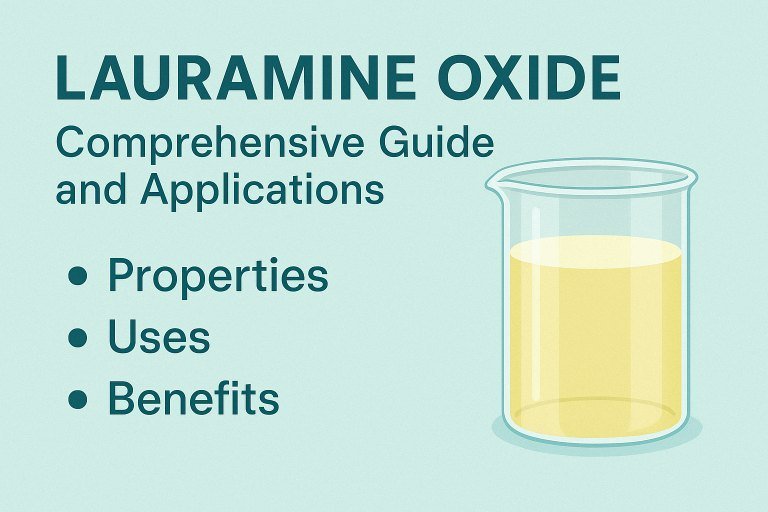
The chemical formula of Lauramine Oxide is C14H31NO, and it is typically produced through the oxidation of tertiary amines. The compound appears as a clear to pale yellow liquid or paste, depending on its concentration and temperature. It is water-soluble and exhibits excellent stability across a wide pH range, which enhances its suitability for diverse applications. Its primary functions include acting as a foam booster, emulsifier, and viscosity builder in liquid formulations.
Chemical Properties and Specifications
Understanding the chemical properties of Lauramine Oxide is essential for its effective application in various industries. The compound is characterized by its amphiphilic nature, meaning it has both hydrophilic (water-attracting) and hydrophobic (water-repelling) components. This dual nature allows it to interact with both water and oil, making it an effective surfactant and emulsifier.
Below are some key specifications and parameters of Lauramine Oxide based on typical industrial standards:
| Property | Specification |
|---|---|
| Molecular Weight | 229.4 g/mol |
| Appearance | Clear to pale yellow liquid |
| Active Content | 30-35% (typical) |
| pH (10% solution) | 6.0-8.0 |
| Solubility | Soluble in water |
These parameters may vary slightly depending on the manufacturer or specific grade of the product. Lauramine Oxide is also known for its biodegradability, which is a critical factor in meeting environmental regulations and sustainability goals in modern formulations.
Applications of Lauramine Oxide
Lauramine Oxide is a highly versatile compound with applications spanning multiple industries. Its surfactant properties make it an indispensable ingredient in both industrial and consumer products. Below, we explore the primary areas where this compound is utilized, highlighting its specific roles and benefits in each sector.
Household Cleaning Products
In household cleaning products, Lauramine Oxide is commonly used as a key ingredient in dishwashing liquids, surface cleaners, and laundry detergents. Its ability to cut through grease and enhance foam stability makes it ideal for formulations that require effective cleaning and a pleasant user experience. Additionally, it acts as a thickener, improving the viscosity of liquid cleaners for better application and control.
Personal Care Products
Lauramine Oxide is widely incorporated into personal care products such as shampoos, body washes, and facial cleansers. Its mildness on the skin and ability to produce a rich, stable lather are particularly valued in these formulations. It also functions as a conditioning agent in hair care products, helping to reduce static and improve manageability.
Industrial Applications
In industrial settings, Lauramine Oxide is used in formulations for hard surface cleaners, degreasers, and emulsifiers. Its compatibility with other chemicals and stability under varying conditions make it suitable for heavy-duty cleaning tasks. It is also employed in textile processing and metal cleaning, where its emulsifying properties help remove oils and contaminants.
Benefits of Using Lauramine Oxide
Lauramine Oxide offers a range of benefits that contribute to its widespread use in various formulations. Its non-ionic nature ensures compatibility with a broad spectrum of ingredients, allowing formulators to create stable and effective products. Additionally, it is effective at low concentrations, which can reduce formulation costs without compromising performance.
Another significant advantage is its environmental profile. Lauramine Oxide is biodegradable, meaning it breaks down into non-toxic components over time, reducing its impact on aquatic ecosystems. This property aligns with the growing demand for eco-friendly and sustainable ingredients in consumer and industrial products.
Furthermore, Lauramine Oxide exhibits excellent performance in hard water conditions, maintaining its cleaning and foaming capabilities even in the presence of mineral ions. This makes it a reliable choice for products intended for use in regions with varying water quality.
Safety and Handling Considerations
While Lauramine Oxide is generally considered safe for use in formulated products, proper handling and storage are essential to ensure safety and maintain product quality. It is classified as a mild irritant in its concentrated form, and direct contact with skin or eyes should be avoided. When handling the compound, protective equipment such as gloves and safety goggles is recommended.
In terms of storage, Lauramine Oxide should be kept in a cool, dry place away from strong oxidizing agents and extreme temperatures. It is typically supplied in drums or bulk containers, and care should be taken to prevent contamination during transfer or use. For detailed safety information, always refer to the Material Safety Data Sheet (MSDS) provided by the supplier.
In finished products, Lauramine Oxide is present in diluted forms and poses minimal risk to consumers when used as directed. Regulatory bodies such as the U.S. Environmental Protection Agency (EPA) and the European Chemicals Agency (ECHA) have established guidelines for its safe use in various applications, ensuring compliance with health and environmental standards.
Comparison with Other Surfactants
To better understand the value of Lauramine Oxide, it is helpful to compare it with other commonly used surfactants. Unlike anionic surfactants such as sodium lauryl sulfate (SLS), which can be harsh on the skin, Lauramine Oxide offers a milder alternative with comparable cleaning power. It also provides better foam stability than many non-ionic surfactants, making it a preferred choice for products where lathering is important.
Compared to cationic surfactants, which are often used for their conditioning properties, Lauramine Oxide is more versatile due to its compatibility with a wider range of ingredients. This flexibility allows formulators to create complex formulations without worrying about ingredient interactions or stability issues.
Environmental Impact and Sustainability
The environmental impact of chemical ingredients is a critical consideration in today’s market, and Lauramine Oxide stands out for its favorable ecological profile. As a biodegradable compound, it decomposes into harmless byproducts, minimizing its long-term effects on the environment. This property is particularly important for products that are discharged into wastewater systems, such as cleaning agents and personal care items.
Manufacturers are increasingly prioritizing sustainable sourcing and production methods for Lauramine Oxide to further reduce its environmental footprint. By choosing suppliers that adhere to green chemistry principles, companies can ensure that their use of this compound aligns with broader sustainability goals.
Conclusion
Lauramine Oxide is a highly versatile and effective surfactant with a wide range of applications in household, personal care, and industrial products. Its unique chemical properties, including compatibility, mildness, and biodegradability, make it a valuable ingredient for formulators seeking to create high-performance and environmentally friendly products. By understanding its characteristics, benefits, and safety considerations, manufacturers and consumers alike can make informed decisions about its use in various formulations.
This comprehensive guide has provided a detailed overview of Lauramine Oxide, covering its properties, applications, and environmental impact. Whether you are developing a new cleaning product or exploring sustainable ingredients, Lauramine Oxide offers a reliable and effective solution for a variety of needs.