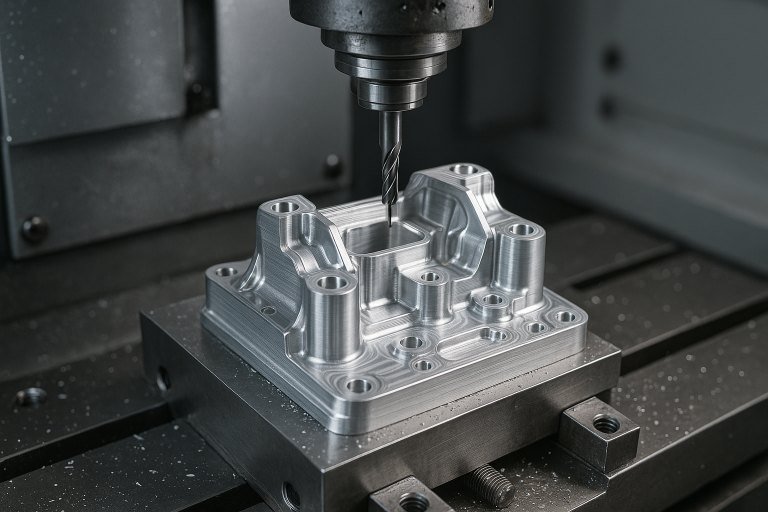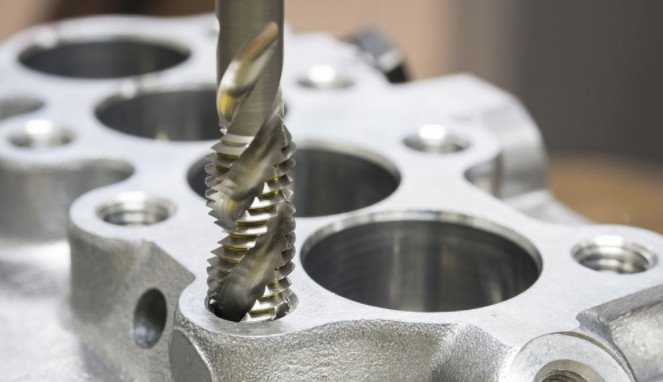
CNC machining is a precise manufacturing process used to create custom parts from metals, plastics, and other materials. Understanding the cost of CNC machining is critical for businesses and individuals planning projects, as prices can vary widely based on multiple factors. This article provides a detailed breakdown of the elements that influence CNC machining costs, including material selection, machine type, part complexity, production volume, and post-processing. By examining these factors, you can estimate costs accurately and identify strategies to optimize expenses without compromising quality.
Factors Influencing CNC Machining Costs
Several variables determine the cost of CNC machining. Each factor contributes to the overall expense, and understanding their impact allows for better budgeting and decision-making. Below, we explore the primary cost drivers in detail.
Material Selection
The choice of material significantly affects CNC machining costs due to differences in raw material prices and machinability. Materials like aluminum, stainless steel, titanium, and plastics such as ABS or PEEK vary in cost and machining difficulty.
| Material | Cost per Kilogram (USD) | Machinability | Typical Applications |
|---|---|---|---|
| Aluminum 6061 | $5–$10 | High (easy to machine) | Aerospace, automotive |
| Stainless Steel | $8–$16 | Moderate (harder, more tool wear) | Medical, industrial |
| Titanium | $50–$200 | Low (difficult, high tool wear) | Aerospace, medical implants |
| ABS Plastic | $1–$2 | High (easy to machine) | Prototypes, consumer goods |
| PEEK | $100–$200 | Moderate (specialized tools) | High-performance engineering |
Materials with high machinability, like aluminum, reduce machining time and tool wear, lowering costs. Conversely, materials like titanium require slower cutting speeds and specialized tools, increasing expenses. Additionally, material waste in CNC machining, a subtractive process, must be factored into costs, especially for expensive materials.
Machine Type and Capabilities
The type of CNC machine used impacts costs due to differences in setup, operation, and hourly rates. Common CNC machines include 3-axis mills, 5-axis mills, lathes, and routers, each suited for specific tasks.
- 3-Axis CNC Mills: Cost $20–$40 per hour. Suitable for simpler geometries, with lower setup and operational complexity.
- 5-Axis CNC Mills: Cost $75–$150 per hour. Capable of producing complex parts with fewer setups, but higher equipment and operator costs.
- CNC Lathes: Cost $20–$35 per hour. Used for cylindrical parts, generally less expensive due to simpler mechanics.
- CNC Routers: Cost $10–$30 per hour. Often used for softer materials like wood or plastics, with lower operational costs.
More advanced machines, such as 5-axis mills, reduce machining time for complex parts but have higher hourly rates due to their precision and capabilities. The choice of machine depends on the part’s geometry and tolerances.
Part Complexity and Design
The complexity of a part’s design directly influences machining time, tool requirements, and setup costs. Complex geometries, tight tolerances, and features like thin walls or intricate details increase costs.
- Simple Parts: Basic shapes with minimal features, such as flat plates or simple brackets, require fewer setups and less machining time, costing $10–$50 per part for small runs.
- Complex Parts: Parts with intricate geometries, multiple features, or tight tolerances (e.g., ±0.001 mm) may require multiple setups, specialized tools, and extended machining time, costing $100–$350 per part.
- Thin Walls: Walls thinner than 0.5 mm increase machining difficulty due to vibration risks, requiring slower cutting speeds and multiple passes, which raise costs.
Design for Manufacturability (DFM) principles can reduce costs by simplifying geometries, avoiding unnecessary tight tolerances, and minimizing features that require specialized tooling.
Production Volume and Batch Size
Production volume significantly affects per-part costs due to economies of scale. Fixed costs, such as setup, programming, and tooling, are spread across more units in larger batches, reducing the cost per part.
| Batch Size | Cost per Part (Aluminum, Simple Design, USD) | Cost per Part (Stainless Steel, Complex Design, USD) |
|---|---|---|
| 1 | $100–$200 | $200–$350 |
| 100 | $20–$50 | $50–$100 |
| 1,000 | $5–$15 | $20–$40 |
For example, producing 100 aluminum parts can reduce costs by up to 80% compared to a single part, as setup and programming costs are amortized. High-volume production also allows for optimized machining strategies, further lowering expenses.
Post-Processing and Finishing
Post-processing operations, such as polishing, anodizing, or heat treatment, add to the overall cost. These steps enhance the part’s appearance, durability, or performance but require additional labor, materials, and time.
- As-Machined Finish: Minimal cost, suitable for functional prototypes where appearance is not critical.
- Polishing: Adds $5–$20 per part, depending on the level of smoothness required.
- Anodizing: Costs $10–$50 per part, providing corrosion resistance and aesthetic appeal for aluminum parts.
- Heat Treatment: Costs $20–$100 per part, used for metals like steel or titanium to improve strength or hardness.
Minimizing post-processing by selecting appropriate materials or loosening surface finish requirements can reduce costs without sacrificing functionality.
Labor and Setup Costs
Labor costs include programming, machine setup, and operation. These are primarily fixed costs that have a greater impact on small-batch production.
- Programming: Creating a 3D CAD model and CAM program can cost $50–$200 per design, depending on complexity. This is a one-time cost for a given design.
- Setup: Machine setup, including fixturing and tool changes, costs $50–$150 per batch. Multiple setups for complex parts increase this expense.
- Operation: Skilled operators command higher wages, especially for 5-axis machines or materials requiring precision, adding $10–$50 per hour to the project.
Outsourcing to regions with lower labor costs, such as China, can reduce expenses, with hourly rates as low as $10–$30 compared to $35–$120 in Europe or the U.S.
Shipping and Logistics
Shipping costs depend on the part’s size, weight, and destination. Larger or heavier parts incur higher shipping fees, and expedited delivery options increase costs further.
- Standard Shipping: Costs $5–$50 per shipment, depending on weight and distance.
- Expedited Shipping: Adds $20–$100 per shipment for faster delivery.
- Packaging: Protective packaging to prevent damage during transit adds $2–$10 per part.
Consolidating orders or choosing local suppliers can minimize shipping costs.
Cost Calculation Formula
To estimate CNC machining costs, use the following formula:
Total Cost = Material Cost + Machining Cost + Post-Processing Cost + Setup Cost + Shipping Cost + Profit Margin
- Material Cost: Raw material price plus waste, calculated based on part volume and material density.
- Machining Cost: Hourly rate multiplied by machining time, determined by part complexity and machine type.
- Post-Processing Cost: Costs for finishing operations like anodizing or polishing.
- Setup Cost: Fixed costs for programming, fixturing, and machine setup.
- Shipping Cost: Based on part weight, distance, and delivery speed.
- Profit Margin: Typically 10–20%, varying by supplier and project complexity.
For example, a single aluminum part requiring 2 hours of 3-axis machining at $30/hour, $10 in material, $50 in setup, $5 in shipping, and a 15% profit margin would cost approximately $77.50.
Strategies to Optimize CNC Machining Costs
While some costs are fixed, several strategies can reduce expenses without compromising quality.
Simplify Part Design
Avoid complex geometries, thin walls, or unnecessary tight tolerances. Use DFM principles to streamline designs, reducing machining time and tool requirements.
Choose Cost-Effective Materials
Select materials with high machinability, like aluminum 6061, for prototypes or non-critical applications. Reserve expensive materials like titanium for high-performance requirements.
Increase Batch Size
Order larger quantities to spread setup and programming costs across more parts, leveraging economies of scale.
Minimize Post-Processing
Opt for as-machined finishes or basic deburring when appearance is not critical to reduce finishing costs.
Outsource Strategically
Consider suppliers in regions with lower labor costs, such as China, for non-urgent projects. Ensure suppliers maintain quality standards, such as ISO 9001 certification.
Use Standard Tooling
Design parts to use standard tools and avoid custom fixtures, which increase setup costs.
Regional Cost Variations
CNC machining costs vary by region due to differences in labor, overhead, and market competition.
- United States: Hourly rates range from $35–$150, with 3-axis machining at $35–$50 and 5-axis at $75–$150.
- Europe: Similar to the U.S., with 3-axis machining at $30–$40 and 5-axis at $75–$120.
- China: Lower rates, typically $10–$30 for 3-axis and $30–$50 for 5-axis, due to lower labor costs.
Choosing a supplier requires balancing cost, quality, and lead time. Local suppliers may offer faster delivery, while international suppliers can reduce costs for high-volume orders.
Conclusion
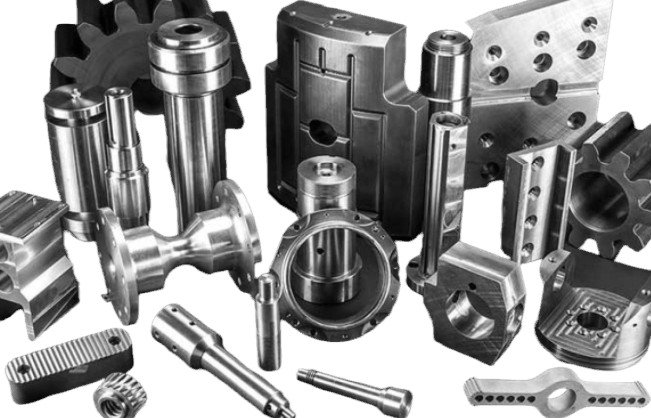
CNC machining costs are influenced by material selection, machine type, part complexity, production volume, post-processing, labor, and shipping. By understanding these factors and applying cost-optimization strategies, such as simplifying designs, choosing cost-effective materials, and increasing batch sizes, you can manage expenses effectively. Use the cost calculation formula and consult with reputable suppliers to obtain accurate quotes tailored to your project’s requirements. For precise estimates, upload your 3D CAD model to a trusted CNC machining provider’s quoting tool.