What Is Zinc Oxide Paste?
Zinc oxide paste is a topical preparation primarily composed of zinc oxide, a naturally occurring mineral compound known for its protective and healing properties. This paste is widely used in medical, cosmetic, and industrial applications due to its ability to form a barrier on the skin, shielding it from irritants and moisture. Typically, zinc oxide paste contains a high concentration of zinc oxide (often between 20% and 40%) mixed with other inert ingredients like petrolatum or starch to create a thick, spreadable consistency.
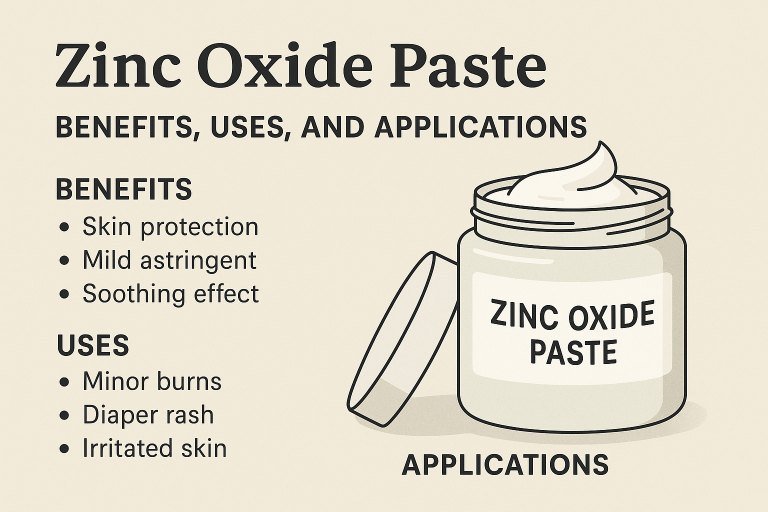
The primary function of zinc oxide paste is to act as a physical barrier. It is non-absorbable by the skin, meaning it remains on the surface to provide protection rather than penetrating into deeper layers. This property makes it an ideal choice for treating and preventing skin irritations, minor wounds, and conditions like diaper rash or eczema flare-ups. Additionally, zinc oxide is recognized for its mild astringent and antiseptic qualities, which contribute to its effectiveness in soothing irritated skin.
Key Benefits of Zinc Oxide Paste
Zinc oxide paste offers a wide range of benefits, making it a staple in both clinical and household settings. Its multi-functional nature stems from the inherent properties of zinc oxide as a compound. Below, we explore the primary advantages of this paste in detail:
- Skin Protection: Zinc oxide forms a protective layer on the skin, safeguarding it against environmental factors such as UV radiation, moisture, and irritants. It is a key ingredient in many sunscreens due to its ability to reflect UVA and UVB rays.
- Wound Healing Support: The paste promotes a moist healing environment for minor cuts, burns, and abrasions. It helps reduce inflammation and prevents bacterial growth on the skin surface.
- Anti-Irritation Properties: Zinc oxide paste soothes irritated skin, making it effective for conditions like diaper rash, chafing, and mild dermatitis. Its cooling effect provides immediate relief from itching and discomfort.
- Non-Toxic and Safe: Zinc oxide paste is generally considered safe for all skin types, including sensitive skin and for use on infants. It is hypoallergenic and rarely causes adverse reactions.
- Versatility: Beyond medical uses, zinc oxide paste is also utilized in cosmetic formulations and industrial applications, such as in paints and ceramics, due to its stability and opacity.
Common Uses of Zinc Oxide Paste
Zinc oxide paste is employed across various domains due to its protective and therapeutic properties. Its applications are diverse, ranging from medical treatments to everyday skincare. Here are some of the most common uses:
1. Diaper Rash Treatment: One of the most well-known uses of zinc oxide paste is in treating and preventing diaper rash in infants. The paste creates a barrier that protects the skin from moisture and irritants in diapers, reducing redness and inflammation. Typically, a product with 20-40% zinc oxide concentration is recommended for optimal results.
2. Sun Protection: Zinc oxide is a key ingredient in physical sunscreens. Unlike chemical sunscreens, it sits on the skin's surface and reflects harmful UV rays. Products containing zinc oxide often have an SPF (Sun Protection Factor) ranging from 15 to 50, depending on the concentration and formulation.
3. Minor Wound Care: For minor cuts, scrapes, and burns, zinc oxide paste helps maintain a clean and moist environment conducive to healing. It also reduces the risk of infection by acting as a barrier against external contaminants.
4. Skin Conditions: Dermatologists often recommend zinc oxide paste for managing conditions like eczema, psoriasis, and acne. Its anti-inflammatory properties help calm flare-ups, while its barrier function prevents further irritation from external factors.
5. Cosmetic Applications: In cosmetics, zinc oxide paste is used in products like foundations and concealers for its opacity and ability to provide a matte finish. It also offers mild sun protection in daily wear makeup.
How to Apply Zinc Oxide Paste Effectively
Proper application of zinc oxide paste is crucial to maximize its benefits and ensure safety. The method of application may vary slightly depending on the intended use, but general guidelines can be followed for most scenarios. Here’s a step-by-step approach to using zinc oxide paste:
- Clean the Area: Before applying the paste, gently cleanse the affected area with mild soap and water. Pat the skin dry with a soft towel to avoid irritation.
- Apply a Thin Layer: Using clean hands or a sterile applicator, apply a thin layer of zinc oxide paste to the affected area. Avoid over-applying, as a thick layer may not adhere well and can be difficult to remove.
- Cover if Necessary: For wound care or diaper rash, consider covering the area with a loose bandage or diaper to keep the paste in place and protect it from rubbing off.
- Reapply as Needed: Reapply the paste after bathing or if it wears off due to friction or moisture. For diaper rash, reapply during each diaper change for continuous protection.
- Remove Gently: When removing the paste, use a gentle cleanser or mineral oil to dissolve it, as it can adhere strongly to the skin. Avoid harsh scrubbing to prevent irritation.
Note that zinc oxide paste is for external use only. Avoid applying it near the eyes, mouth, or on deep wounds unless directed by a healthcare professional. If irritation or an allergic reaction occurs, discontinue use and consult a doctor.
Composition and Variants of Zinc Oxide Paste
Zinc oxide paste is available in various formulations, each tailored to specific needs. Understanding the composition and differences between variants can help in selecting the right product. Below is a detailed breakdown of common formulations:
| Type | Zinc Oxide Concentration | Additional Ingredients | Primary Use |
|---|---|---|---|
| Standard Paste | 20-25% | Petrolatum, Starch | Diaper Rash, Minor Irritations |
| Medicated Paste | 30-40% | Calamine, Menthol | Skin Conditions, Sun Protection |
The concentration of zinc oxide directly affects the paste’s thickness and protective capability. Higher concentrations are typically used for severe irritations or as a stronger barrier, while lower concentrations are suitable for daily use or mild conditions. Some variants may also include additional active ingredients like calamine for extra soothing effects or menthol for a cooling sensation.
Precautions and Considerations
While zinc oxide paste is generally safe for most users, certain precautions should be observed to avoid complications. It is important to use the product as directed and be aware of any personal sensitivities. Key considerations include:
- Allergic Reactions: Though rare, some individuals may experience sensitivity to zinc oxide or other ingredients in the paste. Perform a patch test on a small area of skin before widespread use.
- Avoid Internal Use: Zinc oxide paste should never be ingested or applied to mucous membranes, as it is not intended for internal use and may cause adverse effects.
- Consult for Chronic Conditions: For chronic skin conditions or deep wounds, consult a healthcare provider before using zinc oxide paste to ensure it is appropriate for the specific situation.
- Storage Conditions: Store the paste in a cool, dry place away from direct sunlight to maintain its consistency and effectiveness. Typical shelf life ranges from 2 to 3 years if stored properly.
Comparing Zinc Oxide Paste with Other Topical Treatments
Zinc oxide paste is often compared to other topical treatments like hydrocortisone creams, antibiotic ointments, and petroleum jelly. Each product has its unique properties and applications. For instance, hydrocortisone is more effective for reducing inflammation caused by allergic reactions, while zinc oxide excels as a protective barrier. Antibiotic ointments are better suited for preventing infection in open wounds, whereas zinc oxide paste focuses on shielding and soothing.
Unlike petroleum jelly, which only locks in moisture without additional therapeutic benefits, zinc oxide paste offers anti-inflammatory and mild antiseptic effects. Choosing the right product depends on the specific skin concern, severity, and desired outcome. Consulting a dermatologist can provide clarity when multiple options are available.