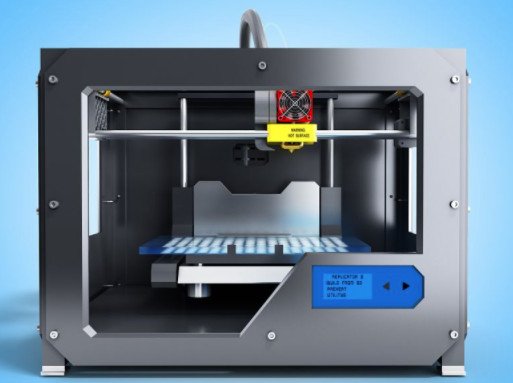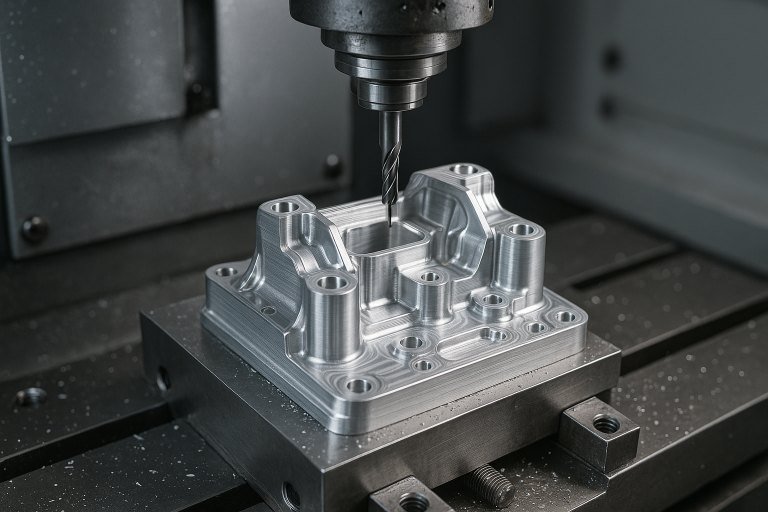
Prototype machining is a critical process in product development, enabling engineers, designers, and manufacturers to create functional prototypes with high precision. This method is widely used across industries such as aerospace, automotive, medical, and consumer electronics to test designs, validate concepts, and refine products before full-scale production. In this comprehensive guide, we explore the intricacies of prototype machining, including its processes, materials, applications, benefits, and key considerations for achieving optimal results. Whether you're a product developer or a business owner, understanding prototype machining can significantly enhance your project outcomes.
What is Prototype Machining?
Prototype machining refers to the manufacturing process of creating a physical model or sample of a product using various machining techniques. Unlike mass production, the focus here is on producing a small number of units—often just one or two—to evaluate design, functionality, and performance. This process typically involves CNC (Computer Numerical Control) machining, which allows for high accuracy and repeatability, even for complex geometries.
The primary goal of prototype machining is to bridge the gap between conceptual design and final production. By creating a tangible prototype, stakeholders can identify potential issues, test material properties, and make necessary adjustments before investing in expensive tooling or large-scale manufacturing. Common techniques include milling, turning, drilling, and grinding, often performed on advanced CNC machines with tight tolerances, sometimes as precise as ±0.001 inches (±0.0254 mm).
Key Processes in Prototype Machining
Prototype machining encompasses a range of processes tailored to the specific requirements of a project. Below, we detail the most commonly used methods, highlighting their technical aspects and applications.
CNC Milling
CNC milling is a versatile process that uses rotating cutting tools to remove material from a workpiece, creating complex shapes and features. It is ideal for producing prototypes with intricate details, such as slots, holes, and contoured surfaces. Modern CNC milling machines often operate on 3-axis, 4-axis, or 5-axis systems, with 5-axis machines offering the greatest flexibility for multi-angle cuts. Typical tolerances for CNC milling in prototype machining range from ±0.002 to ±0.005 inches (±0.0508 to ±0.127 mm), depending on the material and machine setup.
CNC Turning
CNC turning involves rotating the workpiece while a stationary cutting tool shapes it, primarily used for cylindrical or symmetrical components. This process is highly efficient for producing parts like shafts, pins, and bushings. Lathes used in CNC turning can achieve surface finishes as fine as Ra 0.4 micrometers and dimensional tolerances of ±0.0005 inches (±0.0127 mm) for precision prototypes.
EDM (Electrical Discharge Machining)
EDM is a non-traditional machining process that uses electrical discharges to erode material, suitable for hard metals or intricate shapes that are difficult to machine with conventional methods. It is often employed in prototype machining for creating detailed cavities or fine features in materials like tool steel or titanium, with accuracies up to ±0.0001 inches (±0.00254 mm).
Grinding and Finishing
Grinding is used to achieve high surface quality and tight tolerances in prototype parts, often as a secondary process after milling or turning. Finishing techniques, such as polishing or anodizing, are applied to enhance aesthetics or add protective coatings. Surface roughness can be reduced to Ra 0.2 micrometers or better, depending on the grinding equipment and abrasives used.
Materials Used in Prototype Machining
The choice of material in prototype machining is crucial, as it affects the functionality, cost, and machinability of the prototype. Materials are selected based on the intended application, mechanical properties, and environmental conditions the prototype will face during testing. Below is a table summarizing common materials, their properties, and typical applications.
| Material | Key Properties | Typical Applications |
|---|---|---|
| Aluminum (e.g., 6061, 7075) | Lightweight, corrosion-resistant, good machinability | Aerospace components, automotive parts |
| Stainless Steel (e.g., 304, 316) | High strength, corrosion resistance | Medical devices, industrial equipment |
| ABS Plastic | Impact-resistant, easy to machine | Consumer product casings, enclosures |
| Titanium (e.g., Grade 5) | High strength-to-weight ratio, biocompatible | Medical implants, aerospace parts |
Material selection also considers factors like thermal conductivity, hardness, and cost. For instance, aluminum is often chosen for its affordability and ease of machining (cutting speeds up to 300 m/min), while titanium, though more expensive and harder to machine (cutting speeds around 60 m/min), is preferred for high-performance applications due to its durability.
Applications of Prototype Machining Across Industries
Prototype machining serves a wide range of industries, each with unique requirements for precision, material properties, and design complexity. In the automotive sector, prototypes of engine components, transmission parts, and brackets are machined to test fitment and performance under real-world conditions. Tolerances for critical automotive parts often fall within ±0.001 inches (±0.0254 mm) to ensure compatibility with assembly lines.
In the medical industry, prototype machining is used to develop surgical instruments, implants, and diagnostic equipment. Materials like titanium and stainless steel are common due to their biocompatibility, and surface finishes must often meet stringent standards, such as Ra 0.1 micrometers for implants to minimize bacterial adhesion.
Aerospace applications demand lightweight yet strong materials like aluminum and titanium alloys. Prototype machining in this field produces components like turbine blades and structural brackets, often requiring 5-axis CNC machining for complex geometries and tolerances as tight as ±0.0005 inches (±0.0127 mm).
Consumer electronics rely on prototype machining for creating casings, connectors, and internal components. Plastics like ABS and polycarbonate are frequently used for their cost-effectiveness and aesthetic versatility, while aluminum provides durability for premium products.
Benefits of Prototype Machining
Prototype machining offers numerous advantages that make it an indispensable part of the product development cycle. First, it provides high precision, allowing for the creation of parts that closely match the final design specifications. This accuracy is critical for functional testing and assembly validation, reducing the risk of errors in production.
Second, the process supports a wide range of materials, from metals to plastics, enabling developers to test different options and select the most suitable one. This flexibility also extends to surface finishes and coatings, which can be applied during prototyping to simulate the final product's appearance and performance.
Third, prototype machining is relatively fast, especially with CNC technology. Depending on complexity, a prototype can be produced in days rather than weeks, accelerating the design iteration process. For example, a simple aluminum part might take 24-48 hours to machine, while a complex titanium component could take 5-7 days due to slower cutting speeds and additional finishing steps.
Finally, it allows for cost-effective testing. By identifying design flaws or material incompatibilities early, companies can avoid the high costs associated with retooling or scrapping defective production runs. This is particularly valuable in industries like aerospace and medical, where safety and reliability are paramount.
Key Considerations in Prototype Machining
To achieve successful outcomes in prototype machining, several factors must be carefully managed. Design for manufacturability (DFM) is essential—engineers should optimize designs to minimize complex features that increase machining time and cost. For instance, avoiding deep, narrow cavities can reduce tool wear and improve efficiency.
Tooling selection also plays a critical role. High-speed steel (HSS) tools are suitable for softer materials like aluminum, while carbide tools are better for harder materials like stainless steel, offering longer tool life and cutting speeds up to 200 m/min. Additionally, coolant use must be optimized to manage heat buildup, especially when machining titanium, which has low thermal conductivity.
Finally, collaboration with experienced machinists or service providers ensures that prototypes meet quality standards. Advanced inspection tools, such as coordinate measuring machines (CMM), can verify dimensions to within ±0.0001 inches (±0.00254 mm), providing confidence in the prototype's accuracy before testing.
Conclusion
Prototype machining is a cornerstone of modern product development, offering precision, flexibility, and efficiency in creating functional models for testing and validation. By leveraging advanced CNC technologies, diverse materials, and meticulous processes, businesses can refine their designs and ensure successful transitions to full-scale production. Understanding the technical aspects, from material properties to machining tolerances, empowers stakeholders to make informed decisions and achieve high-quality results. Whether in automotive, medical, aerospace, or consumer electronics, prototype machining remains a vital tool for bringing innovative ideas to life with accuracy and reliability.