CNC cabinetry represents the pinnacle of modern woodworking, combining advanced technology with traditional craftsmanship to create custom cabinets that meet the exact needs of homeowners, designers, and builders. By leveraging Computer Numerical Control (CNC) machines, manufacturers can achieve unparalleled precision, efficiency, and consistency in cabinet production. This article delves into the world of CNC cabinetry, exploring its benefits, applications, manufacturing processes, material choices, and design possibilities. Whether you're renovating a kitchen, designing a bathroom, or outfitting a commercial space, understanding CNC cabinetry can help you make informed decisions for high-quality, durable, and aesthetically pleasing results.
What is CNC Cabinetry?
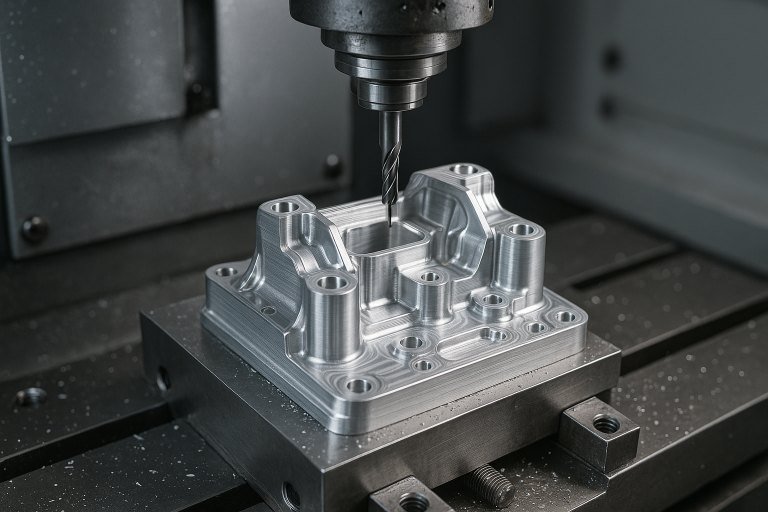
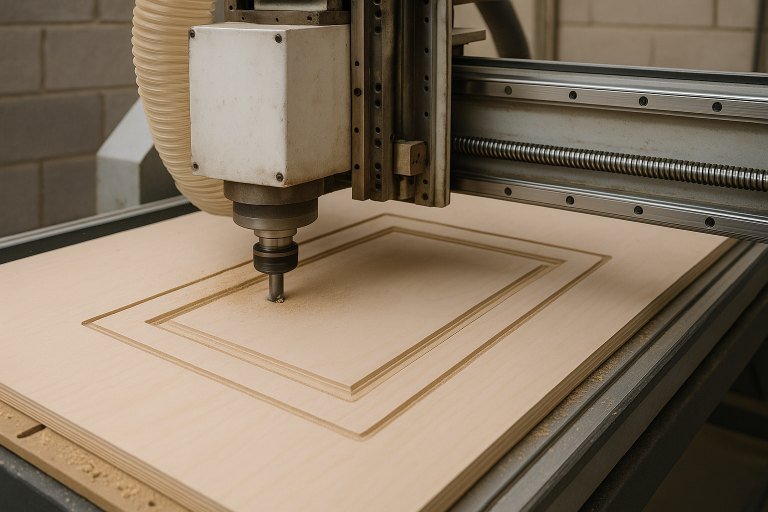
CNC cabinetry refers to cabinets and related woodworking products that are designed and manufactured using CNC machines. These machines are computer-controlled tools that cut, shape, and assemble wood or other materials with extreme accuracy based on digital designs. Unlike traditional manual methods, CNC technology allows for intricate designs, consistent quality, and faster production times. This makes CNC cabinetry an ideal choice for both residential and commercial projects where customization and precision are paramount.
The process begins with a digital blueprint created using specialized software like CAD (Computer-Aided Design). This design is then fed into the CNC machine, which executes the cutting and shaping tasks with minimal human intervention. The result is a set of cabinet components that fit together seamlessly, reducing assembly time and minimizing errors. CNC cabinetry is widely used for kitchen cabinets, bathroom vanities, wardrobes, office furniture, and more.
Benefits of CNC Cabinetry
CNC cabinetry offers a range of advantages over traditional cabinet-making methods. Below are some key benefits that highlight why this technology has become a preferred choice in the industry:
- Precision and Accuracy: CNC machines can achieve tolerances as tight as 0.001 inches, ensuring that every piece fits perfectly without gaps or misalignments.
- Consistency: Whether producing one cabinet or a hundred, CNC technology guarantees identical results for every unit, which is critical for large-scale projects.
- Customization: CNC machines can handle complex designs, including curved edges, intricate carvings, and unique patterns, allowing for fully personalized cabinetry.
- Efficiency: Automated processes reduce production time significantly, with some machines capable of completing a full set of cabinet components in under an hour.
- Material Optimization: CNC software optimizes material usage, minimizing waste and reducing costs. For example, nesting algorithms can arrange cuts to use up to 95% of a raw material sheet.
- Durability: Precise cuts and joints result in stronger, longer-lasting cabinets that withstand daily wear and tear.
Applications of CNC Cabinetry
CNC cabinetry is versatile and can be applied to various settings, catering to both functional and aesthetic needs. Its adaptability makes it suitable for a wide range of projects:
- Residential Kitchens: Custom kitchen cabinets are the most common application, with CNC technology enabling tailored designs to fit specific layouts and storage requirements. Options include shaker-style doors, frameless cabinets, and integrated hardware.
- Bathroom Vanities: Precision-cut vanities with moisture-resistant materials can be crafted to fit small or irregularly shaped bathrooms, maximizing space.
- Commercial Spaces: Offices, retail stores, and restaurants benefit from CNC cabinetry for shelving, display units, and reception desks, often requiring bulk production with uniform quality.
- Closets and Wardrobes: Custom storage solutions with adjustable shelves, drawers, and hanging spaces can be designed to match individual preferences and room dimensions.
- Entertainment Units: CNC machines can create media cabinets with precise cutouts for wiring and ventilation, ensuring both functionality and a sleek appearance.
Materials Used in CNC Cabinetry
The choice of material plays a crucial role in the durability, appearance, and cost of CNC cabinetry. CNC machines are compatible with a wide range of materials, allowing manufacturers to meet diverse project requirements. Below is a detailed look at common materials used:
| Material | Characteristics | Common Applications |
|---|---|---|
| Plywood | Strong, lightweight, cost-effective, available in thicknesses from 0.25 to 0.75 inches | Kitchen cabinets, shelving units |
| Medium-Density Fiberboard (MDF) | Smooth surface, easy to paint, density of 600-800 kg/m³ | Painted cabinets, bathroom vanities |
| Solid Wood | Natural beauty, durable, available in oak, maple, cherry with hardness ratings (Janka scale) from 950 to 1,500 | High-end cabinets, custom furniture |
| Particle Board | Budget-friendly, less durable, typical thickness of 0.5 inches | Basic storage units, temporary setups |
Additionally, CNC cabinetry often incorporates laminates, veneers, and melamine coatings to enhance aesthetics and protect against moisture or scratches. Hardware such as hinges, drawer slides, and handles are also precisely integrated during the manufacturing process, with tolerances for screw holes as small as 0.1 mm to ensure perfect alignment.
Manufacturing Process of CNC Cabinetry
The production of CNC cabinetry follows a systematic workflow to ensure quality and efficiency. Here’s a breakdown of the key stages involved:
Design Phase
The process starts with creating a digital design using CAD software. Designers input exact measurements, select materials, and specify details like edge profiles (e.g., square, beveled, or rounded) and joint types (e.g., dovetail or butt joints). The software generates a 3D model for client approval before production.
Cutting and Shaping
Once the design is finalized, the CNC machine interprets the digital file and cuts the material using tools like routers, saws, or drills. Cutting speeds can range from 500 to 2,000 RPM, depending on the material and tool used, ensuring clean edges and minimal splintering.
Assembly Preparation
Components are labeled and prepped for assembly, with CNC machines drilling precise holes for screws, dowels, or hinges. For example, hinge holes are often drilled with a diameter of 35 mm to accommodate standard European-style hinges.
Finishing
After cutting, the pieces are sanded, stained, or painted. Some CNC setups include automated finishing systems that apply coatings with a thickness of 0.002 to 0.005 inches for uniform coverage. Hardware is then installed, and the cabinets are inspected for quality.
Installation
Finally, the cabinets are delivered and installed on-site. Thanks to the precision of CNC manufacturing, installation is often quicker, with components fitting together seamlessly without the need for extensive adjustments.
Design Possibilities with CNC Cabinetry
One of the standout features of CNC cabinetry is its ability to bring complex designs to life. Homeowners and designers can explore endless possibilities to match their vision. For instance, CNC machines can carve detailed patterns on cabinet doors, create custom inlays, or produce textured finishes that mimic natural wood grain. Additionally, the technology supports a variety of cabinet styles, from minimalist modern designs with clean lines to traditional designs with ornate detailing.
Functionality is also enhanced through CNC cabinetry. Features like soft-close drawers, pull-out shelves, and hidden compartments can be integrated with precision. For kitchens, CNC technology allows for exact measurements to accommodate appliances, with cutouts for refrigerators, ovens, and dishwashers accurate to within 0.5 mm. This level of customization ensures that every inch of space is utilized effectively.
Choosing a CNC Cabinetry Provider
Selecting the right manufacturer or provider for CNC cabinetry is critical to achieving the desired outcome. Consider the following factors when making a decision:
- Experience: Look for providers with a proven track record in CNC cabinetry, ideally with a portfolio of completed projects.
- Technology: Ensure the provider uses modern CNC machines with multi-axis capabilities (e.g., 3-axis or 5-axis) for complex cuts and designs.
- Material Options: A reputable provider should offer a range of high-quality materials and finishes to suit your budget and style.
- Turnaround Time: Confirm production and delivery timelines, as CNC technology should enable faster completion compared to manual methods.
- Customer Support: Choose a provider that offers design consultation, installation services, and post-purchase support for any issues.
By partnering with a skilled CNC cabinetry provider, you can ensure that your project is executed with precision and meets your expectations for quality and design.