Computer Numerical Control (CNC) technology has become a cornerstone of modern manufacturing, driving efficiency and precision in industries ranging from aerospace to automotive. CNC careers offer a stable and rewarding path for individuals with technical skills and an interest in manufacturing processes. This guide provides an in-depth look at various roles, required skills, salary expectations, educational pathways, and long-term opportunities in the CNC field. Whether you're just starting out or looking to advance your career, this resource aims to equip you with the knowledge needed to succeed in CNC professions.
Understanding CNC Technology and Its Role in Industry
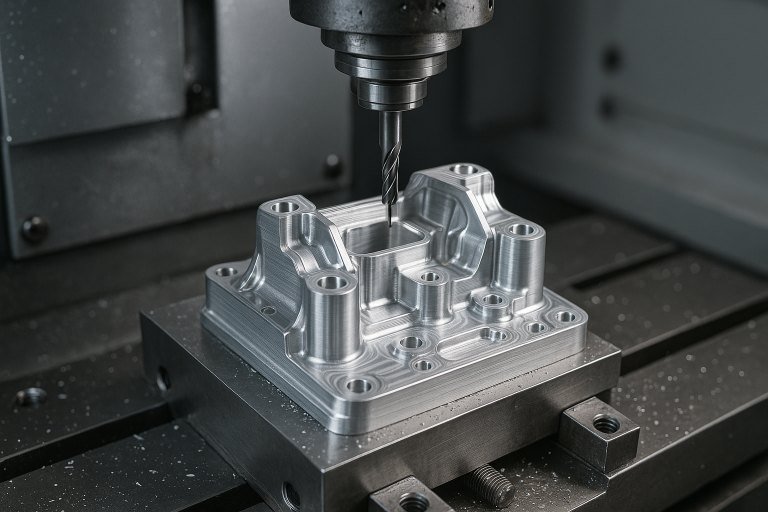
CNC technology involves the use of computer-controlled machines to perform precise manufacturing tasks such as cutting, milling, drilling, and turning. These machines follow pre-programmed instructions to create components with high accuracy, often to tolerances as tight as 0.001 inches (0.0254 mm). CNC systems are integral to industries like automotive, where engine parts are produced; aerospace, for crafting lightweight components; and medical, for creating surgical tools and implants. The demand for skilled CNC professionals is driven by the need for consistent quality and the increasing complexity of manufactured goods. As a result, CNC careers are not only in high demand but also offer diverse specializations depending on the specific machinery and industry.
Key CNC Career Paths and Job Roles
CNC careers encompass a range of roles, each with distinct responsibilities and skill requirements. Below are the primary job positions in this field, along with detailed descriptions of their duties and typical work environments.
CNC Machinist
A CNC machinist operates and maintains CNC machines to produce parts according to specifications. They read blueprints, set up machines, and monitor operations to ensure precision. Machinists often work with materials like steel, aluminum, and plastics, adjusting cutting speeds (e.g., 500-2000 RPM) and feed rates (e.g., 0.1-0.5 inches per minute) based on material properties. They typically work in machine shops or manufacturing plants, often on rotating shifts to meet production deadlines.
CNC Operator
CNC operators focus on the day-to-day operation of CNC equipment. Their tasks include loading materials, starting machines, and performing basic maintenance. While they may not program the machines, they must understand G-code basics and ensure the equipment runs smoothly. Operators often report to machinists or supervisors and are critical in maintaining production flow. Their role requires less technical expertise than machinists but demands attention to detail and safety protocols.
CNC Programmer
CNC programmers create the instructions that CNC machines follow. Using software like Mastercam or Autodesk Fusion 360, they design toolpaths and write G-code or M-code programs. Programmers must account for factors such as tool wear, cutting angles, and material hardness (e.g., Rockwell hardness scale values of 20-60 HRC for metals). This role requires strong analytical skills and often involves collaboration with engineers to optimize designs for manufacturability.
CNC Technician
CNC technicians specialize in the maintenance and repair of CNC machinery. They troubleshoot issues like spindle misalignment or servo motor failures, often using diagnostic tools to measure parameters such as vibration levels (e.g., below 0.5 mm/s for normal operation). Technicians ensure minimal downtime in production environments and may also assist in installing new equipment. This role requires a deep understanding of mechanical and electrical systems.
Required Skills and Qualifications for CNC Careers
Success in CNC careers depends on a combination of technical skills, practical experience, and formal education. Below is a breakdown of the essential competencies and qualifications for aspiring CNC professionals.
Technical Skills: Proficiency in reading technical drawings and blueprints is fundamental. Familiarity with CAD/CAM software, such as SolidWorks or AutoCAD, is often required for programming roles. Additionally, understanding machining parameters—such as spindle speed, feed rate, and depth of cut (e.g., 0.05-0.2 inches per pass)—is crucial for machinists and operators. Knowledge of metrology tools like micrometers and calipers for measuring tolerances (e.g., ±0.0005 inches) is also essential.
Mathematical Aptitude: CNC professionals frequently use geometry and trigonometry to calculate angles and dimensions. For instance, determining the correct toolpath for a 45-degree chamfer requires precise calculations. Basic algebra is also used for adjusting machine settings and interpreting data.
Educational Background: Many CNC roles require at least a high school diploma, though an associate degree in manufacturing technology or precision machining is highly beneficial. Vocational training programs, often lasting 6-12 months, provide hands-on experience with CNC equipment. Certifications, such as those from the National Institute for Metalworking Skills (NIMS), can further validate expertise.
Soft Skills: Attention to detail ensures quality output, while problem-solving skills help address machine malfunctions or production errors. Communication is vital for collaborating with team members, especially in roles like programming where feedback from operators is critical.
Salary Expectations and Job Outlook for CNC Professionals
Compensation in CNC careers varies based on role, experience, and geographic location. The data below reflects average annual salaries in the United States, sourced from industry reports and labor statistics as of recent years.
| Job Role | Average Annual Salary (USD) | Entry-Level Salary (USD) | Experienced Salary (USD) |
|---|---|---|---|
| CNC Machinist | 45,000 - 55,000 | 35,000 | 65,000+ |
| CNC Programmer | 50,000 - 70,000 | 40,000 | 80,000+ |
The job outlook for CNC professionals remains positive due to the ongoing reliance on precision manufacturing. According to labor market analyses, employment in machining roles is expected to grow steadily, with opportunities expanding in sectors like renewable energy for producing wind turbine components and electric vehicle parts. Geographic areas with heavy manufacturing presence, such as the Midwest and Southeast U.S., often offer higher demand and competitive wages.
Steps to Start a Career in CNC
Entering the CNC field requires a structured approach to education, training, and job search. Below are actionable steps to guide you through the process.
1. Obtain Relevant Education: Enroll in a technical school or community college program focused on CNC machining or manufacturing technology. Courses typically cover machine operation, programming, and safety standards.
2. Gain Hands-On Experience: Seek apprenticeships or entry-level positions as a CNC operator to build practical skills. Many employers provide on-the-job training, which can last from 3 months to 2 years depending on the complexity of the machinery.
3. Earn Certifications: Pursue credentials like NIMS CNC Operator or CNC Programming certifications to demonstrate proficiency. These often involve passing written and practical exams.
4. Build a Professional Network: Attend industry events, join online forums, or connect with local manufacturing associations to learn about job openings and industry best practices.
5. Apply for Jobs: Target roles that match your skill level, such as operator positions for beginners or machinist roles for those with experience. Tailor your resume to highlight specific skills like G-code programming or machine setup.
Advancement Opportunities in CNC Careers
CNC careers offer clear pathways for growth. Entry-level operators can advance to machinist roles with 2-3 years of experience, while machinists may transition into programming or supervisory positions with additional training. Some professionals move into quality control, overseeing production standards, or become application engineers, assisting clients with CNC solutions. Continuing education, such as earning a bachelor’s degree in industrial engineering, can open doors to management roles with salaries exceeding $90,000 annually. Additionally, specializing in niche areas like 5-axis machining or working with exotic materials (e.g., titanium with tensile strength of 900 MPa) can position individuals as experts in high-demand fields.
Work Environment and Lifestyle Considerations
CNC professionals typically work in manufacturing facilities or machine shops, where conditions can vary. Workshops may be noisy, requiring ear protection, and involve standing for long periods, often 8-12 hours per shift. Safety is paramount, with strict protocols for handling sharp tools and heavy materials. Many roles operate on rotating shifts, including nights and weekends, to meet production schedules. However, the structured nature of the work often provides stability, with overtime opportunities boosting income. Full-time positions frequently include benefits like health insurance and retirement plans, enhancing overall job satisfaction.