Nitric oxide (NO) is a naturally occurring molecule in the body that plays a vital role in various physiological processes, including blood vessel dilation, immune response, and neurotransmission. It is also widely used in medical settings and as a dietary supplement, particularly among athletes and fitness enthusiasts seeking to enhance performance through improved blood flow and oxygen delivery. However, like any substance, nitric oxide—whether produced endogenously or taken as a supplement—can have side effects. This article provides an in-depth, evidence-based exploration of nitric oxide side effects, offering a clear understanding of its potential risks, mechanisms of action, and safety considerations for different populations.
What Is Nitric Oxide and How Does It Work?
Nitric oxide is a gas produced by the body through the action of nitric oxide synthase (NOS) enzymes, which convert the amino acid L-arginine into nitric oxide. It acts as a signaling molecule, primarily by relaxing smooth muscle cells in blood vessel walls, leading to vasodilation. This process lowers blood pressure, improves blood flow, and enhances oxygen delivery to tissues. In medical contexts, nitric oxide is used to treat conditions like pulmonary hypertension in newborns, while in the fitness industry, supplements containing L-arginine or L-citrulline are marketed to boost nitric oxide production for better endurance and muscle pumps.
Despite its benefits, the increased presence of nitric oxide—whether through supplementation or medical administration—can disrupt normal physiological balance, leading to adverse effects. These side effects vary depending on dosage, individual health conditions, and the method of exposure. Understanding the science behind nitric oxide is crucial to assessing its risks and making informed decisions about its use.
Common Side Effects of Nitric Oxide
While nitric oxide is essential for many bodily functions, excessive levels or improper use can result in a range of side effects. These effects are often dose-dependent and can vary in severity from mild discomfort to more serious health concerns. Below is a detailed breakdown of the most commonly reported side effects associated with nitric oxide, particularly from supplements and inhaled therapies.
Mild Gastrointestinal Issues
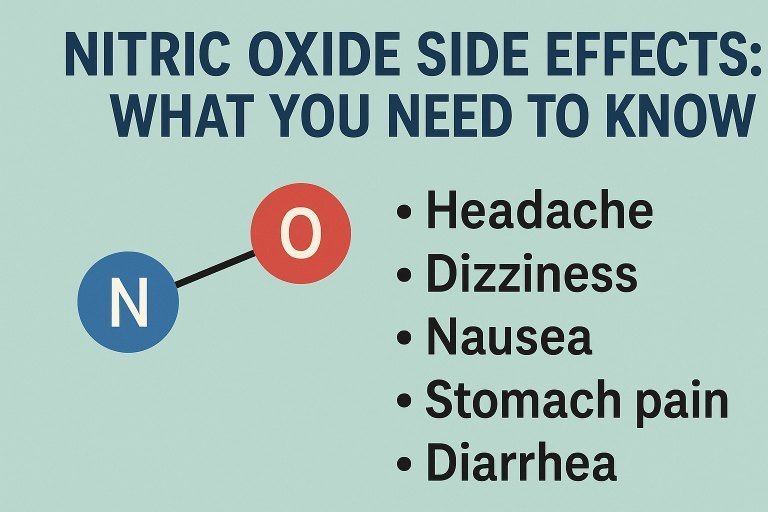
One of the most frequent complaints among users of nitric oxide-boosting supplements is gastrointestinal discomfort. This can manifest as nausea, bloating, diarrhea, or stomach cramps. These symptoms are often linked to the precursors used in supplements, such as L-arginine, which can irritate the digestive tract when taken in high doses (typically above 6 grams per day). Studies suggest that approximately 10-15% of users experience mild gastrointestinal distress, which usually resolves by reducing dosage or taking the supplement with food.
Headaches and Dizziness
Headaches are another common side effect, reported by up to 20% of individuals using nitric oxide supplements. This is primarily due to the vasodilatory effect of nitric oxide, which can lower blood pressure and increase blood flow to the brain, triggering tension-type headaches or migraines in susceptible individuals. Dizziness or lightheadedness may also occur, especially if blood pressure drops too rapidly. These symptoms are generally transient and subside with hydration or dose adjustment.
Low Blood Pressure (Hypotension)
Since nitric oxide promotes vasodilation, a significant drop in blood pressure is a well-documented side effect, particularly in individuals with pre-existing low blood pressure or those taking antihypertensive medications. Symptoms of hypotension include fatigue, fainting, and confusion. Clinical data indicates that doses of L-arginine exceeding 10 grams per day can reduce systolic blood pressure by 5-10 mmHg in some users, posing risks if not monitored.
Serious Side Effects and Health Risks
Beyond mild discomfort, nitric oxide can pose more severe risks under certain conditions. These side effects are less common but warrant careful consideration, especially for individuals with underlying health issues or those using high doses for prolonged periods.
Interaction with Medications
Nitric oxide supplements can interact with several classes of medications, amplifying their effects or causing adverse reactions. For instance, combining nitric oxide boosters with phosphodiesterase-5 inhibitors (e.g., sildenafil for erectile dysfunction) can lead to dangerously low blood pressure. Similarly, interactions with nitrates used for heart conditions can exacerbate hypotension. It is estimated that up to 5% of supplement users experience adverse drug interactions, highlighting the importance of consulting healthcare providers before use.
Oxidative Stress and Cellular Damage
At high concentrations, nitric oxide can react with other molecules to form reactive nitrogen species (RNS), such as peroxynitrite, which contribute to oxidative stress. This process can damage cells, proteins, and DNA, potentially increasing the risk of chronic diseases over time. Research shows that sustained nitric oxide levels above 100 micromolar in cellular environments may induce nitrosative stress, though this is more relevant in clinical settings or with excessive supplementation.
Respiratory Complications from Inhaled Nitric Oxide
In medical settings, inhaled nitric oxide is used to treat respiratory conditions, but it can cause complications such as methemoglobinemia—a condition where hemoglobin loses its ability to carry oxygen effectively. This risk is dose-dependent, with levels above 40 parts per million (ppm) increasing the likelihood of toxicity. Approximately 2-3% of patients receiving inhaled nitric oxide experience elevated methemoglobin levels, necessitating close monitoring during therapy.
Who Is at Higher Risk of Nitric Oxide Side Effects?
Not everyone experiences side effects from nitric oxide, but certain groups are more vulnerable due to physiological or medical factors. Identifying these risk profiles can help individuals take preventive measures or avoid nitric oxide use altogether.
Individuals with Pre-existing Conditions: People with cardiovascular disorders, hypotension, or gastrointestinal conditions like ulcers are more likely to experience adverse effects. For example, those with a history of migraines may find that nitric oxide exacerbates headache frequency by up to 30% based on anecdotal reports and small-scale studies.
Pregnant and Breastfeeding Women: The safety of nitric oxide supplements during pregnancy and lactation has not been well-established. Due to potential effects on blood pressure and fetal development, most experts recommend avoiding such supplements unless prescribed by a healthcare provider.
Older Adults: Aging is associated with reduced vascular elasticity and altered nitric oxide metabolism, making older adults more susceptible to hypotension and related side effects. Doses as low as 3 grams of L-arginine per day have been linked to dizziness in this population.
How to Minimize Nitric Oxide Side Effects
While nitric oxide side effects can be concerning, there are practical steps to reduce risks and ensure safer use, whether through supplements or medical therapies. These strategies are grounded in clinical recommendations and user experiences.
Start with Low Doses: For supplements, begin with a dose of 1-2 grams of L-arginine or L-citrulline per day and gradually increase as tolerated. This approach minimizes gastrointestinal and hypotensive effects, allowing the body to adapt.
Monitor Blood Pressure: Regular monitoring is essential, especially for individuals with cardiovascular concerns. Home blood pressure devices can help detect drops below 90/60 mmHg, which may indicate a need to adjust dosage or discontinue use.
Consult Healthcare Providers: Before starting nitric oxide supplements or therapies, discuss potential interactions with current medications or health conditions. This is particularly critical for individuals on nitrates or blood pressure-lowering drugs.
Stay Hydrated: Dehydration can exacerbate headaches and dizziness caused by nitric oxide. Aim for at least 2-3 liters of water daily, especially during physical activity or supplement use.
Summary of Nitric Oxide Side Effects by Severity
| Side Effect | Severity | Frequency (% of Users) | Common Causes |
|---|---|---|---|
| Gastrointestinal Discomfort | Mild | 10-15% | High doses of L-arginine |
| Headaches/Dizziness | Mild to Moderate | 20% | Vasodilation, low blood pressure |
| Hypotension | Moderate to Severe | 5-10% | Excessive vasodilation |
| Drug Interactions | Severe | 5% | Combination with nitrates or PDE-5 inhibitors |
Conclusion
Nitric oxide plays a crucial role in maintaining cardiovascular health, enhancing physical performance, and supporting various bodily functions. However, its side effects—ranging from mild gastrointestinal issues to severe hypotension and drug interactions—underscore the importance of cautious use. By understanding the mechanisms behind these effects, identifying at-risk populations, and adopting preventive measures, individuals can minimize potential risks. Always prioritize professional medical advice, especially when using nitric oxide supplements or therapies for specific health conditions. Armed with this comprehensive knowledge, you can make informed decisions about whether nitric oxide is right for you and how to use it safely.