Titanium machining services are critical for industries requiring high-strength, lightweight, and corrosion-resistant components. Titanium, known for its exceptional properties, is widely used in aerospace, medical, automotive, and industrial applications. However, machining titanium is a specialized process that demands advanced equipment, skilled technicians, and precise techniques to achieve the desired results. In this comprehensive guide, we explore the intricacies of titanium machining services, covering the processes, benefits, applications, and key considerations to ensure high-quality outcomes for your projects.
Our focus is to provide detailed insights into titanium machining services, emphasizing the technical aspects and systematic approaches that guarantee precision and efficiency. Whether you are seeking custom titanium parts or large-scale production, understanding the nuances of this service can help you make informed decisions for your specific needs.
What Are Titanium Machining Services?
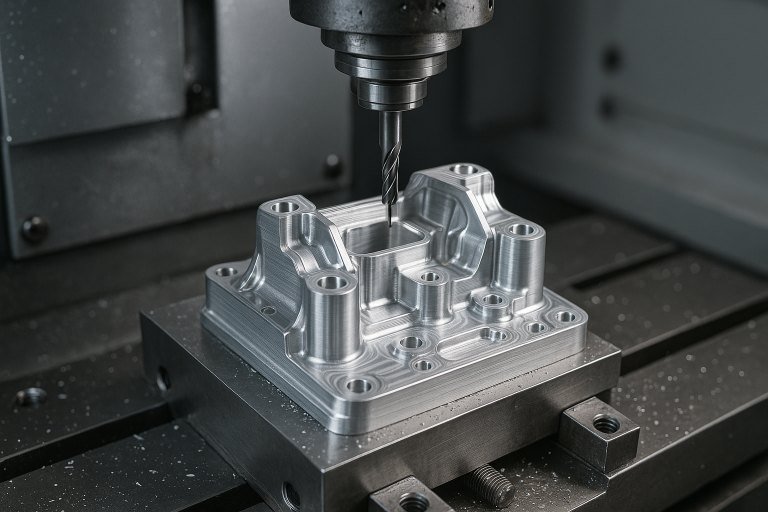
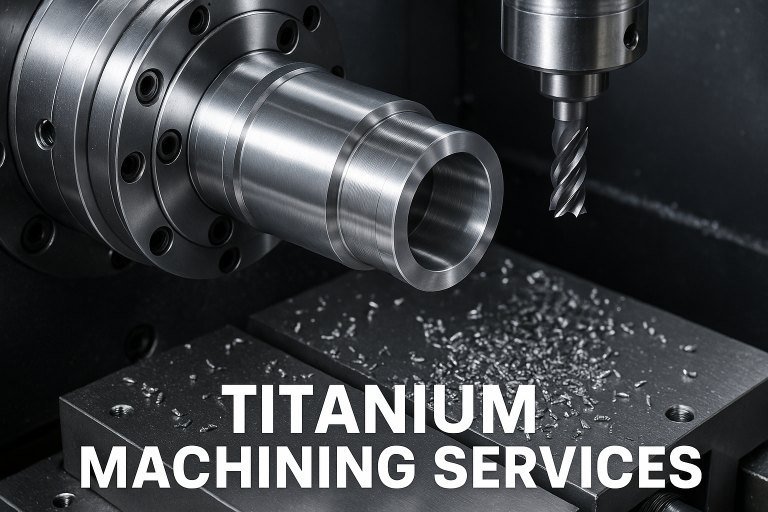
Titanium machining services involve the fabrication and shaping of titanium materials into precise components using advanced machining techniques. These services cater to industries that require parts with high strength-to-weight ratios, biocompatibility, and resistance to extreme environments. Titanium machining typically includes processes such as CNC milling, turning, drilling, and grinding, all performed with specialized tools designed to handle the unique properties of titanium.
Titanium is notoriously difficult to machine due to its low thermal conductivity, high chemical reactivity, and tendency to work-harden during processing. As a result, titanium machining services require a deep understanding of material behavior, cutting tool selection, and machining parameters to prevent issues like tool wear or surface defects. Providers of these services often employ state-of-the-art CNC machines and adhere to strict quality control standards to meet the exact specifications of their clients.
Key Benefits of Titanium Machining Services
Titanium machining services offer a range of advantages that make them indispensable for high-performance applications. Below, we detail the primary benefits that businesses can expect when partnering with a reliable machining provider:
- Precision and Accuracy: Advanced CNC technology ensures tight tolerances, often within ±0.001 inches, meeting the stringent requirements of industries like aerospace and medical.
- Durability: Titanium components are known for their exceptional strength and resistance to corrosion, making them ideal for harsh environments.
- Customization: Machining services can produce bespoke titanium parts tailored to specific designs, from prototypes to mass production.
- Lightweight Solutions: With a density of approximately 4.5 g/cm³, titanium offers a high strength-to-weight ratio, reducing overall product weight without compromising performance.
- Biocompatibility: Titanium’s non-toxic and non-allergenic properties make it a preferred material for medical implants and devices.
These benefits highlight why titanium machining services are a go-to solution for industries seeking reliable, long-lasting components that perform under demanding conditions.
Applications of Titanium Machining Services
Titanium machining services support a wide array of industries, each with unique requirements for precision-engineered components. Below are some of the most common applications where titanium parts play a critical role:
- Aerospace: Titanium is extensively used in aircraft components such as airframes, engine parts, and fasteners due to its lightweight nature and ability to withstand high temperatures. Machined parts often include turbine blades and structural elements with tolerances as tight as ±0.0005 inches.
- Medical: The biocompatibility of titanium makes it ideal for surgical implants, prosthetics, and dental devices. Machining services ensure smooth finishes and precise dimensions for components like hip replacements or bone screws.
- Automotive: High-performance vehicles utilize titanium for exhaust systems, suspension components, and engine parts to enhance fuel efficiency and durability.
- Industrial: Titanium’s resistance to corrosion makes it suitable for chemical processing equipment, marine hardware, and power generation systems.
- Defense: Military applications include lightweight armor, weapon components, and naval equipment that require robust and reliable materials.
The versatility of titanium machining services ensures that they can meet the diverse needs of these sectors, delivering components that adhere to strict industry standards such as ISO 9001 and AS9100 certifications.
Machining Processes for Titanium Components
Titanium machining services encompass a variety of processes, each suited to specific component designs and requirements. Here, we break down the most commonly used techniques and their technical parameters:
| Process | Description | Typical Parameters |
|---|---|---|
| CNC Milling | Uses rotating multi-point cutting tools to remove material and create complex shapes. | Spindle Speed: 500-1000 RPM; Feed Rate: 0.002-0.010 in/rev |
| CNC Turning | Rotates the workpiece while a cutting tool shapes it into cylindrical or conical forms. | Cutting Speed: 150-300 ft/min; Depth of Cut: 0.010-0.050 inches |
| Drilling | Creates holes in titanium parts using specialized drill bits designed for hard materials. | Drill Speed: 300-600 RPM; Coolant: High-pressure emulsion |
| Grinding | Achieves fine surface finishes and tight tolerances for critical components. | Wheel Speed: 5000-6000 ft/min; Feed Rate: 0.001-0.005 in/pass |
Each process requires careful calibration of parameters to avoid overheating, tool wear, or material deformation. Additionally, the use of appropriate coolants and lubricants is essential to manage heat buildup due to titanium’s low thermal conductivity. Machining providers often employ carbide or coated tools to enhance durability and maintain precision during operations.
Material Grades Used in Titanium Machining
Titanium is available in various grades, each with specific properties tailored to different applications. Understanding these grades is crucial for selecting the right material for your project. Below is an overview of commonly used titanium grades in machining services:
| Grade | Properties | Common Applications |
|---|---|---|
| Grade 2 | Commercially pure, excellent corrosion resistance, moderate strength. | Chemical processing, marine hardware. |
| Grade 5 (Ti-6Al-4V) | High strength, good heat resistance, widely used alloy. | Aerospace components, medical implants. |
| Grade 9 (Ti-3Al-2.5V) | High strength, excellent weldability, corrosion-resistant. | Hydraulic tubing, bicycle frames. |
| Grade 23 (Ti-6Al-4V ELI) | Extra-low interstitials, superior biocompatibility. | Surgical implants, dental devices. |
Selecting the appropriate grade depends on factors such as mechanical requirements, environmental conditions, and cost considerations. Machining service providers often offer guidance on material selection to ensure optimal performance and cost-efficiency for your components.
Quality Control in Titanium Machining Services
Quality control is a cornerstone of titanium machining services, ensuring that every component meets the required specifications and industry standards. Rigorous inspection processes are implemented at various stages of production to detect and rectify any deviations. Common quality control measures include:
- Dimensional Inspection: Using coordinate measuring machines (CMM) to verify tolerances within ±0.0005 inches.
- Surface Finish Analysis: Employing profilometers to measure surface roughness, often targeting Ra values between 8 and 32 microinches for critical applications.
- Material Testing: Conducting hardness tests (e.g., Rockwell C scale) and chemical composition analysis to confirm material integrity.
- Non-Destructive Testing (NDT): Techniques like ultrasonic testing and X-ray inspection to identify internal defects without damaging the part.
Adherence to certifications such as ISO 13485 for medical devices or AS9100 for aerospace components further demonstrates a commitment to quality. By prioritizing these measures, titanium machining services ensure reliability and performance in the final product.
Why Choose Professional Titanium Machining Services?
Partnering with a professional titanium machining service provider offers numerous advantages over in-house or less specialized operations. These include access to cutting-edge technology, experienced technicians, and comprehensive support throughout the production process. Professional services also provide scalability, allowing businesses to handle both small-batch prototypes and large-volume runs with consistent quality.
Moreover, established providers have the expertise to optimize machining parameters, reduce waste, and minimize production costs without compromising on precision. They often offer value-added services such as surface treatments, assembly, and packaging, streamlining the supply chain for their clients. When selecting a provider, consider factors like industry experience, equipment capabilities, and customer reviews to ensure a successful partnership.