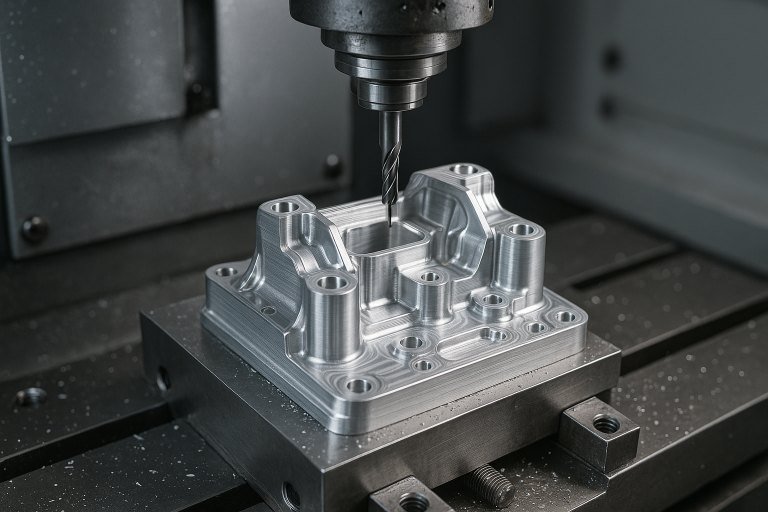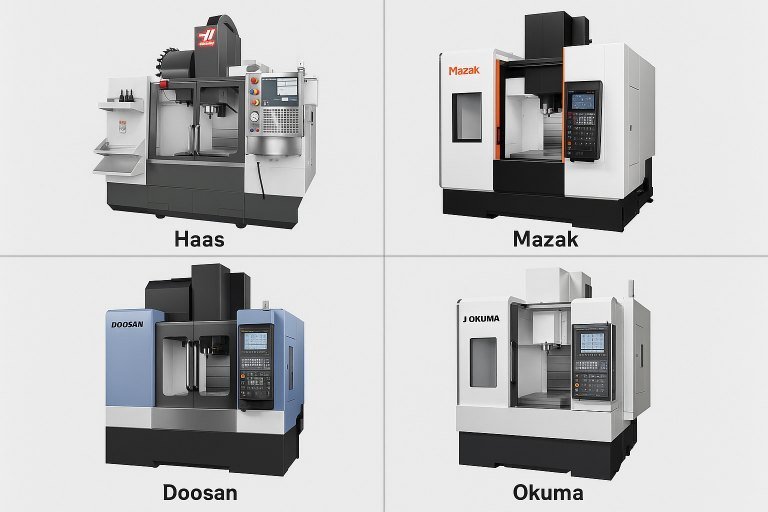
Vertical machining centers (VMCs) are critical equipment in modern manufacturing, widely used for precision milling, drilling, and cutting operations across industries like aerospace, automotive, and medical device production. Choosing the right vertical machining center manufacturers is essential for ensuring high-quality output, operational efficiency, and long-term reliability. This guide provides a detailed overview of VMC manufacturers, their offerings, technical specifications, and key considerations for selecting the ideal supplier for your business needs.
With a focus on technical expertise and comprehensive insights, this article aims to assist buyers, engineers, and industry professionals in navigating the landscape of vertical machining center manufacturers. From machine specifications to manufacturer capabilities, we cover all essential aspects to help you make informed decisions.
Understanding Vertical Machining Centers (VMCs)
Vertical machining centers are CNC (Computer Numerical Control) machines designed for vertical spindle orientation, where the cutting tool moves along the X, Y, and Z axes to perform precise operations on a workpiece. These machines are ideal for producing complex parts with high accuracy, making them indispensable in industries requiring tight tolerances and intricate designs.
VMCs are characterized by their robust construction, versatility, and ability to handle a wide range of materials, including metals, plastics, and composites. Manufacturers of vertical machining centers focus on delivering equipment with advanced features such as high-speed spindles, automatic tool changers, and sophisticated control systems to optimize productivity and precision.
Key applications of VMCs include mold making, die sinking, prototyping, and mass production of components. Their ability to perform multiple operations in a single setup reduces production time and enhances efficiency, making them a preferred choice for manufacturers worldwide.
Key Features of Vertical Machining Centers from Leading Manufacturers
Top vertical machining center manufacturers design their machines with cutting-edge technology to meet diverse industrial requirements. Below are some of the critical features that define high-quality VMCs:
- Spindle Speed and Power: High spindle speeds (ranging from 8,000 to 20,000 RPM or more) and powerful motors ensure efficient material removal and fine surface finishes. Some manufacturers offer customizable spindle options for specific applications.
- Axis Travel and Work Envelope: The X, Y, and Z-axis travel distances determine the size of workpieces a VMC can handle. Typical ranges include X-axis from 500 to 2,000 mm, Y-axis from 400 to 1,200 mm, and Z-axis from 400 to 800 mm.
- Tool Changer Capacity: Automatic tool changers (ATCs) with capacities ranging from 20 to 60 tools reduce downtime by enabling quick tool swaps during operations.
- Control Systems: Advanced CNC controllers from brands like Fanuc, Siemens, or Heidenhain provide user-friendly interfaces, precise control, and compatibility with CAD/CAM software for seamless programming.
- Table Size and Load Capacity: Table dimensions (e.g., 800 x 400 mm to 2,500 x 1,000 mm) and load capacities (up to 3,000 kg or more) vary based on the machine model and manufacturer.
- Cooling and Chip Management: Efficient coolant systems and chip conveyors ensure optimal thermal stability and a clean working environment, extending tool life and machine durability.
Manufacturers often provide detailed technical datasheets for their VMC models, allowing buyers to compare specifications and select equipment tailored to their production needs.
Technical Specifications of Popular VMC Models
To provide a clearer picture of what vertical machining center manufacturers offer, below is a table summarizing the technical specifications of typical VMC models from leading suppliers. These parameters are indicative and may vary based on specific manufacturers and configurations.
| Parameter | Entry-Level VMC | Mid-Range VMC | High-End VMC |
|---|---|---|---|
| Spindle Speed (RPM) | 8,000 | 12,000 | 20,000 |
| Axis Travel (X/Y/Z, mm) | 600/400/400 | 1,000/600/500 | 1,500/800/700 |
| Table Size (mm) | 800 x 400 | 1,200 x 600 | 1,800 x 800 |
| Table Load Capacity (kg) | 500 | 1,000 | 2,000 |
| Tool Changer Capacity | 20 | 30 | 50 |
| Spindle Power (kW) | 7.5 | 11 | 22 |
These specifications highlight the scalability of VMCs offered by manufacturers, catering to small workshops as well as large-scale industrial operations. Buyers should consult with manufacturers to ensure the selected model aligns with their production volume and material requirements.
Criteria for Choosing Reliable Vertical Machining Center Manufacturers
Selecting the right VMC manufacturer involves evaluating several factors to ensure the equipment meets your operational needs and budget constraints. Here are the primary criteria to consider:
1. Product Range and Customization
Leading manufacturers offer a wide range of VMC models, from compact machines for small-scale operations to heavy-duty equipment for large industrial applications. Additionally, some manufacturers provide customization options, such as specialized spindles or extended axis travel, to address unique production challenges.
2. Build Quality and Durability
The structural integrity of a VMC, including the use of high-grade cast iron for the machine bed and precision linear guides, directly impacts its performance and lifespan. Reputable manufacturers prioritize robust construction to minimize vibrations and ensure consistent accuracy over time.
3. After-Sales Support and Service
Reliable manufacturers offer comprehensive after-sales services, including installation, operator training, maintenance, and spare parts availability. A strong global service network ensures minimal downtime in case of technical issues.
4. Technological Integration
Manufacturers that incorporate the latest CNC technology, such as IoT-enabled monitoring systems for real-time data analysis and predictive maintenance, provide a competitive edge. Compatibility with industry-standard software and hardware is also a critical factor.
5. Pricing and Value for Money
While cost is a significant consideration, it should not compromise quality. Top manufacturers offer competitive pricing without sacrificing performance, ensuring long-term value through energy efficiency, low maintenance costs, and high productivity.
Industries Served by Vertical Machining Center Manufacturers
Vertical machining centers are versatile machines that cater to a wide array of industries, each with specific requirements for precision and performance. Manufacturers design their VMCs to meet the unique demands of these sectors:
- Aerospace: VMCs are used to produce lightweight, high-strength components such as turbine blades and structural parts, requiring exceptional precision and surface finish.
- Automotive: High-speed VMCs manufacture engine blocks, transmission components, and molds for mass production, focusing on efficiency and repeatability.
- Medical: Manufacturers supply VMCs for producing surgical instruments, implants, and prosthetics, where tight tolerances and biocompatibility are critical.
- Energy: VMCs are utilized in creating components for wind turbines, oil and gas equipment, and nuclear reactors, often handling large, heavy workpieces.
- General Manufacturing: Small to medium-sized enterprises rely on VMCs for prototyping, toolmaking, and custom part production across diverse applications.
Manufacturers often collaborate with clients to develop tailored solutions, ensuring their VMCs align with industry-specific standards and certifications.
Global Presence of Vertical Machining Center Manufacturers
The market for vertical machining centers is highly competitive, with manufacturers based in regions such as North America, Europe, and Asia-Pacific leading the industry. These manufacturers have established global distribution networks to serve clients worldwide, offering localized support and quick delivery of equipment and spare parts.
Some manufacturers specialize in specific market segments, such as high-precision VMCs for aerospace, while others focus on cost-effective solutions for general manufacturing. Understanding the geographical strengths and expertise of manufacturers can help buyers source equipment that meets their regional and operational needs.
Conclusion
Vertical machining center manufacturers play a pivotal role in modern manufacturing by providing advanced CNC solutions that enhance productivity, precision, and versatility. From detailed technical specifications to industry-specific applications, this guide has explored the critical aspects of selecting the right VMC supplier. By focusing on key features, manufacturer capabilities, and application requirements, businesses can invest in equipment that delivers long-term value and operational excellence.
Whether you are in aerospace, automotive, or general manufacturing, partnering with a reputable vertical machining center manufacturer ensures access to cutting-edge technology and reliable support. Thorough research and consultation with suppliers will help you identify the ideal VMC for your production goals, paving the way for success in a competitive industrial landscape.